



Kotora Melnkalne: The Timeless Beauty of Montenegro’s Hidden Gem
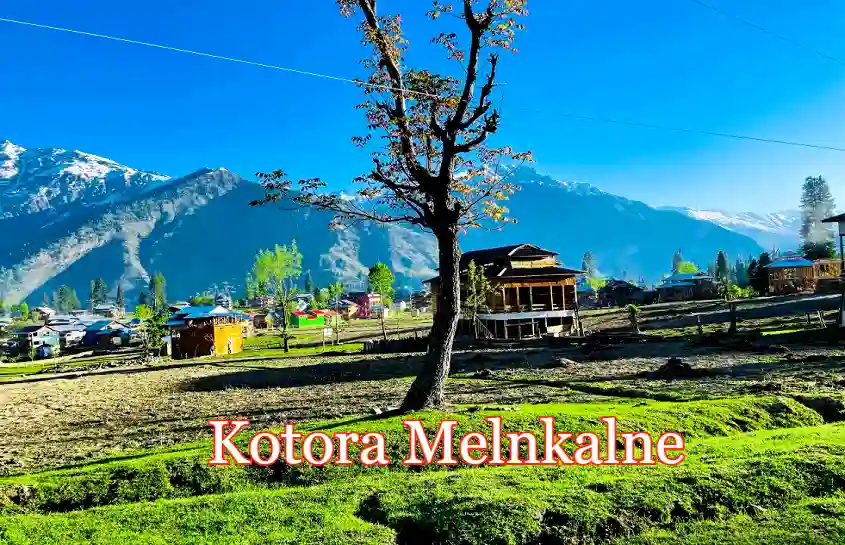
Nestled along Montenegro’s dramatic Adriatic coastline lies a destination that captivates the soul with its timeless appeal — Kotora Melnkalne. Although the name may feel poetic and mysterious, it represents a place deeply rooted in history, nature, culture, and serene beauty. Travellers seeking authenticity, breathtaking landscapes, and stories carved into stone walls find Kotora Melnkalne to be one of Europe’s most enchanting hidden treasures.
This coastal-mountain jewel blends medieval charm with natural grandeur, offering an unforgettable journey through time, tradition, and raw scenery. From ancient architecture to tranquil waters, every part of Kotora Melnkalne promises a story worth discovering.
Kotora Melnkalne — Meaning, Location & Identity
Kotora Melnkalne is a poetic expression inspired by the historic Montenegrin town of Kotor, beautifully set between towering dark mountains and the serene, crystal-blue Bay of Kotor. The term “Melnkalne” evokes images of rugged, shadowed mountain cliffs rising sharply above calm coastal waters, capturing the dramatic landscape that defines the region.
This expression refers to Kotor’s remarkable setting — a town embraced by steep limestone cliffs that plunge toward one of Europe’s most breathtaking, fjord-like bays. Red-roofed stone houses line the narrow slopes, forming a timeless scene where natural beauty meets centuries of human history.
Kotora Melnkalne sits along the shores of the Bay of Kotor, in Montenegro. While the name is more poetic than official, it reflects both the location and the atmosphere: a place where sea and stone coexist in perfect harmony. “Melnkalne,” suggesting “dark mountain,” highlights the towering cliffs that stand guard over the town. Together, Kotora and Melnkalne express not just a place on the map, but the mood and spirit of a town held between water and rock.
A Walk Through History
Entering the Old Town feels like stepping into another era. The massive stone walls, towers, and narrow streets are largely intact, and you sense how many generations have passed over these same cobbles.
Kotor (i.e. Kotora Melnkalne) is a UNESCO World Heritage site. Over the centuries, Byzantines, Venetians, Austro-Hungarians, and others influenced its architecture and layout. The Cathedral of Saint Tryphon, built in 1166, remains a landmark with its twin towers and Romanesque and Gothic elements.
If you climb to St. John’s Fortress, you’ll traverse hundreds of rough stone steps and switchbacks. From the top, you’ll look down on red roofs, the winding bay, and grey peaks — a view that often lingers in memory.
Walking inside the city walls, you’ll find hidden courtyards, small chapels, and quiet corners where local life still hums: baskets drying, shutters open to sun, cats slinking through archways.
Landscapes and Nature — Where Mountains Touch the Sea
Kotora Melnkalne’s dramatic landscape is one of the main reasons travellers fall instantly in love with it. The combination of mountains and sea creates a natural amphitheater unlike anywhere else in Europe.
The Bay of Kotor — Europe’s Southern Fjord
The bay resembles a Northern European fjord, though it is technically a submerged river valley. Its still, mirror-like waters wind between steep cliffs, creating breathtaking scenery from every vantage point. Sunsets here are unforgettable — mountains glowing gold, water turning silver, and soft breezes carrying the scent of the sea.
Hiking Trails and Panoramic Viewpoints
Climbing the ancient fortress walls or hiking the trails behind the town rewards visitors with sweeping views of the bay, mountains, and terracotta rooftops. From above, Kotora Melnkalne looks like a peaceful tapestry woven from centuries of heritage.
Each season adds its own charm — bright greenery in spring, warm hues in autumn, and a peaceful silence in winter when snow dusts the mountain peaks.
Read More: Venice Hotels with Canal Views: Where to Stay for Iconic Scenery
Things to Do in Kotora Melnkalne

Every corner of Kotora Melnkalne invites discovery — from ancient stone paths to breathtaking views that capture the heart of Montenegro. Find the best option below:
1. Explore the Old Town
Don’t rush. Walk the winding lanes, peek into courtyards, and pause under arches. Each turn reveals something small but rich: a carved lintel, a stray flower, a view of the sea through a narrow slit.
2. Climb to St. John’s Fortress
Prepare for a steep climb. But once you reach the ruins, the panorama — mountain flanks, bay waters, red-tiled roofs — feels earned.
3. Visit the Maritime Museum
Set in a baroque palace near the old harbor, this museum offers maritime artifacts, maps, and stories of naval life. It connects the town’s identity to the sea.
4. Take a Boat Ride on the Bay
See the town from water level. Visit Our Lady of the Rocks, a little man-made island with a chapel built by local sailors over centuries. From the sea, the cliffs and town frame each other beautifully.
5. Taste Regional Delicacies
Try fresh seafood, black risotto, Njeguški pršut (smoked ham), local cheeses, and wine. Sit by the water at dusk, and let the flavors mingle with sea breeze and sunset.
Culture and Local Life — Festivals, Flavors, and Community
Kotora Melnkalne is not just visually stunning; it’s culturally rich and full of traditions that connect the past to the present.
Festivals and Celebrations
The town hosts a variety of festivals:
- Traditional processions linked to historic churches
- Colorful carnivals with music, dance, and costumes
- Cultural nights featuring folk performances
- Boat parades showcasing the region’s maritime heritage
These events bring locals and visitors together in a vibrant display of community spirit.
Cuisine Inspired by Land and Sea
Local cuisine reflects the dual identity of the region. Fresh seafood — mussels, fish stews, and black risotto — represents the sea, while hearty mountain dishes showcase cheeses, olives, bread, and smoked meats.
Meals are an experience here, often enjoyed slowly with regional wine and views of the water. Hospitality is warm, and conversations linger long after the plates are empty.
Cultural Revival and Creative Experiences
Recently, Kotora Melnkalne has embraced a new wave of cultural tourism focused on preserving traditions while offering immersive experiences. Cultural hubs and craft workshops allow visitors to learn traditional techniques, hear stories from artisans, and participate in local creative practices.
This shift supports sustainable tourism and deepens the emotional connection between the town and its visitors.
The Best Time to Visit
Find the best time to visit Kotora Melnkalneand explore your joirney
- Spring (April–June): Blossoms, soft light, pleasant weather — ideal for wandering.
- Summer (July–August): Lively atmosphere and warm sea, though more crowded.
- Autumn (September–October): Cooler air, fewer tourists, golden tones.
- Winter (November–March): Quiet, moody, introspective — for travellers who prefer stillness.
If you prefer tranquility and gentle light, late spring or early fall will suit you best.
Why Travellers Love Kotora Melnkalne
Travellers are excited to visit this are because of below facility:
- Authenticity preserved: The place hasn’t lost its character to overdevelopment.
- Romantic and reflective: Kotora Melnkalne is the best choice for couples, writers, or anyone seeking a slower pace.
- Cultural depth: Venetian facades, Byzantine influences, local traditions — all layered here.
- Good value: Compared to many European destinations, it offers beauty + experience without excess cost.
- Accessible yet unique: Close to Dubrovnik (Croatia), yet with its own distinct identity.
In Kotora Melnkalne, you don’t feel rushed. You feel welcomed to absorb, to pause, to listen.
Tips for First-Time Visitors
Find the best tips whole you’re travelling Kotora Melnkalne
- Currency: Euro (€). Make it money exchange to euto.
- Language: the official language is Montenegrin; but there are many local who speak English in tourist areas.
- Footwear: bring most st relaxable and comfortable fort wears— roads are made of stones, slopes, stairs.
- Local gestures: Greet with a nod or simple “dobar dan” (good day).
- Safety: Very safe, even at night; casual solo walking is fine.
Carry a camera or phone — you’ll regret missing the light and views.
Kotora Melnkalne in Modern Times
Though steeped in history, Kotora Melnkalne hums with present-day life. Cafés host writers and travellers. Some guesthouses embrace crafts. Artists sketch façades; musicians play quietly in tucked-away corners.
What’s impressive is how the town balances memory and life. You’ll see locals going about daily tasks, children playing, fishermen docking — all woven into the ancient stone fabric.
Final Thoughts
Kotora Melnkalne is more than a place. It is light lingering on walls, wind sifting through alleys, cliffs standing guard over centuries. It’s a quiet conversation between nature and human story. If your heart ever asks for a place that whispers rather than shouts, come here.
Stay for dawn, for dusk, for quiet moments by the bay. Let the mountain shadows and the salt air shape a memory you’ll carry with you.


