





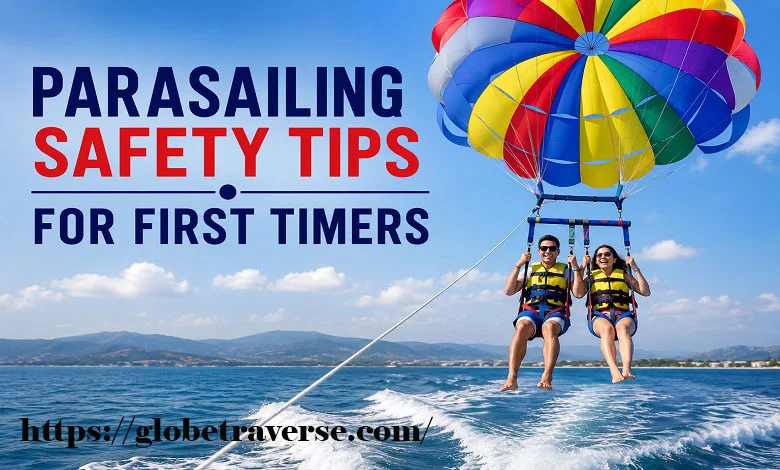
Parasailing Safety Tips for First Timers: Your Complete Guide to a Safe and Unforgettable Flight
There’s something magical about seeing the coastline from hundreds of feet above the water. As the boat gains speed and the parachute gently lifts you into the air, the noise below fades away, leaving only breathtaking views of the ocean and shoreline. It’s no surprise that parasailing has become one of the most popular beach activities around the world.
If it’s your first time, though, you probably have plenty of questions. Is parasailing safe? What should you wear? What happens during takeoff? And how can you prepare for your first flight?
The good news is that parasailing is generally a safe recreational activity when operated by trained professionals who follow established safety procedures and monitor weather conditions carefully. By understanding a few essential parasailing safety tips for first timers, you can enjoy the experience with confidence instead of anxiety.
If you’re planning a beach vacation in the Sunshine State, following these parasailing safety tips for first timers in Florida will help ensure your adventure is both exciting and safe.
What Is Parasailing?
Parasailing is a water sport where one or two passengers are securely attached to a specially designed parachute, known as a parasail. The parasail is connected to a boat by a strong towline. As the boat accelerates, the canopy fills with air and gently lifts passengers into the sky.
Unlike skydiving or paragliding, parasailing requires no previous experience or special skills. Most commercial rides last between 8 and 15 minutes, giving you plenty of time to enjoy panoramic views before landing safely back on the boat.
Is Parasailing Safe?
One of the biggest concerns for beginners is safety.
Like any outdoor adventure activity, parasailing carries some level of risk. However, professional operators significantly reduce those risks by maintaining equipment, monitoring weather, and providing detailed safety briefings before every flight. Industry guidance also emphasizes the importance of proper crew training, equipment inspections, and weather monitoring before operations begin.
Your own decisions also matter. Choosing a reputable operator and following crew instructions are two of the simplest ways to improve your overall safety.
1. Choose a Reputable Parasailing Company
Your experience begins long before takeoff.
Take time to research local parasailing companies instead of simply choosing the lowest price.
A reliable operator should:
- Have experienced captains and trained crew members
- Use modern, well-maintained equipment
- Provide life jackets and properly fitted harnesses
- Explain safety procedures before every flight
- Monitor weather conditions continuously
Reading recent customer reviews can also provide valuable insight into how seriously a company approaches safety.
2. Check the Weather Forecast
Weather plays one of the biggest roles in parasailing safety.
Strong winds, thunderstorms, heavy rain, rough seas, or poor visibility can quickly make conditions unsafe. Professional operators should postpone or cancel flights when the weather falls outside recommended operating limits.
If your captain delays your flight because of changing weather, consider it a positive sign that safety is their priority.
3. Listen Carefully During the Safety Briefing
Before leaving the dock, you’ll receive a short safety briefing.
This usually covers:
- How the harness works
- Proper takeoff position
- Landing instructions
- Hand signals
- Emergency procedures
- What to expect during the flight
Even if you’ve watched videos online, every operator has slightly different procedures. Pay close attention and ask questions if anything isn’t clear.
4. Wear Comfortable Clothing
Choosing the right outfit makes the experience more enjoyable.
Good options include:
- Swimsuit
- Athletic shorts
- Lightweight T-shirt
- Rash guard
- Water shoes or secure sandals
Avoid wearing:
- Loose hats
- Scarves
- Heavy jackets
- Large jewelry
- Unsecured sunglasses
Simple, comfortable clothing allows you to move freely while staying comfortable throughout the trip.
5. Make Sure Your Harness Fits Properly
Before takeoff, crew members will help you put on a life jacket and harness.
Take a moment to check that everything feels secure.
If the harness feels too loose or uncomfortable, speak up before the boat leaves the dock. Never adjust the equipment yourself while you’re in the air.
6. Know the Weight Requirements
Every parasailing system has recommended weight limits.
Operators use these limits to ensure safe flights based on wind conditions and equipment capacity.
Some companies fly passengers individually, while others pair two or three people together depending on their combined weight.
Always provide accurate information when making your reservation.
7. Stay Calm During Takeoff
Takeoff is often much easier than beginners expect.
As the boat gradually increases speed, the parasail fills with air and gently lifts you off the launch platform.
There’s no need to jump or run.
Simply:
- Sit comfortably.
- Relax.
- Follow the crew’s instructions.
- Enjoy the view.
Within moments, you’ll be floating peacefully above the water.
8. Keep Loose Items Secure
Many first-time flyers worry about dropping personal belongings.
It’s best to leave valuables onshore or in a secure storage compartment provided by the operator.
If you wear sunglasses, use a secure strap.
Avoid carrying:
- Phones
- Wallets
- Keys
- Hats without chin straps
- Loose cameras
Some companies offer professional photography packages, allowing you to enjoy the experience without worrying about your belongings.
9. Stay Hydrated and Use Sunscreen
Most parasailing trips involve spending time on a boat before and after your flight.
Florida’s sunshine can be intense, especially during summer.
Before your trip:
- Drink plenty of water.
- Apply waterproof sunscreen.
- Wear polarized sunglasses if approved by the operator.
- Consider a lightweight UV-protective shirt.
These simple steps help prevent dehydration and sunburn during your adventure.
10. Follow Crew Instructions at All Times
The captain and crew have completed hundreds or even thousands of flights.
If they ask you to adjust your position, wait before takeoff, or postpone the trip because of changing weather, follow their guidance immediately.
Experienced operators make decisions based on current conditions rather than convenience.
Trusting their judgment is one of the most important parasailing safety tips for first timers.
11. Understand How Landing Works
Many first-time flyers worry more about the landing than the flight itself. Fortunately, modern parasailing systems are designed to make the process smooth and controlled.
As the boat slows down, the crew uses a hydraulic winch to gradually bring you back toward the platform. You’ll usually be asked to lift your legs slightly while the crew guides you safely onto the boat.
Avoid trying to stand too early or grabbing the equipment unless instructed. Staying relaxed makes the landing much easier.
12. Don’t Be Afraid to Ask Questions
If you’ve never parasailed before, it’s completely normal to have questions.
Ask your operator about:
- Flight duration
- Height above the water
- Takeoff and landing procedures
- Weather conditions
- Weight limits
- Photo packages
- Emergency procedures
Professional crews appreciate passengers who want to understand the activity before flying.
13. Be Honest About Your Health
Parasailing isn’t suitable for everyone.
If you have any of the following, consult your doctor before booking:
- Heart conditions
- Severe back or neck pain
- Recent surgery
- Serious joint injuries
- Pregnancy
- Balance disorders
You should also tell the crew if you become nervous or feel unwell before departure. They can explain the process again or recommend postponing your flight if necessary.
14. Avoid Alcohol Before Your Flight
While enjoying a beach vacation often includes relaxing with a drink, it’s best to wait until after your parasailing adventure.
Alcohol can affect your balance, judgment, and reaction time. Staying hydrated and alert helps you follow instructions and enjoy the experience safely.
15. Keep Your Hands Free
During takeoff and landing, avoid holding phones, cameras, or other personal items.
Keep both hands available in case the crew asks you to adjust your position or hold onto designated straps.
If you want photos, ask whether the operator offers professional photography or GoPro rentals.
16. Respect Age and Height Requirements
Every parasailing company has its own minimum age and weight requirements.
Children usually fly with an adult or another passenger, depending on weather conditions and combined weight.
Parents should make sure children:
- Feel comfortable around water.
- Can follow simple instructions.
- Meet the operator’s safety requirements.
Never pressure a child to parasail if they’re uncomfortable.
17. Know When to Reschedule
Sometimes the safest decision is to postpone your flight.
Consider rescheduling if:
- Strong winds develop.
- Thunderstorms are nearby.
- Heavy rain reduces visibility.
- The ocean becomes unusually rough.
Professional operators regularly postpone flights for safety reasons, and passengers should never feel pressured to continue in poor conditions.
Parasailing Safety Tips for First Timers in Florida
Florida remains one of the world’s top parasailing destinations, attracting visitors to places like Key West, Destin, Clearwater Beach, Panama City Beach, Fort Lauderdale, and the Florida Keys.
If you’re looking for parasailing safety tips for first timers in Florida, remember these extra recommendations:
- Book morning flights whenever possible for calmer winds.
- Watch for afternoon thunderstorms during the summer.
- Choose licensed, established operators with strong customer reviews.
- Stay hydrated in Florida’s warm climate.
- Never ignore weather-related cancellations or delays.
With proper planning and the right operator, parasailing in Florida can become one of the highlights of your vacation.
Common Mistakes First-Time Parasailers Should Avoid
Avoid these common beginner mistakes:
- Booking solely based on the lowest price.
- Ignoring weather forecasts.
- Wearing loose hats or jewelry.
- Forgetting sunscreen.
- Not listening during the safety briefing.
- Hiding medical conditions.
- Bring valuables that could fall into the water.
- Trying to take photos during takeoff or landing.
Planning helps eliminate unnecessary stress and allows you to focus on the experience.
Quick Safety Checklist
Before your parasailing trip, make sure you’ve completed this checklist:
| Safety Tip | Why It Matters |
| Book with a reputable operator | Experienced crews follow proper safety procedures. |
| Check the weather forecast | The weather has a major impact on flight safety. |
| Wear comfortable clothing | Helps you stay comfortable during the ride. |
| Use waterproof sunscreen | Protects your skin during time on the water. |
| Stay hydrated | Reduces the risk of heat-related illness. |
| Listen to the safety briefing | Helps you understand takeoff and landing procedures. |
| Secure loose items | Prevents personal belongings from falling into the water. |
| Be honest about medical conditions | Allows the operator to advise whether it’s appropriate to fly. |
Why Florida Is Perfect for First-Time Parasailers
Florida’s warm climate, beautiful beaches, and experienced operators make it one of the best places to try parasailing for the first time.
Popular locations include:
- Key West
- Clearwater Beach
- Destin
- Panama City Beach
- Fort Lauderdale
- Miami Beach
- The Florida Keys
Many operators in these destinations specialize in first-time flyers and offer detailed safety briefings before every trip.
By following these parasailing safety tips for first timers in Florida, you’ll be better prepared to enjoy the experience with confidence.
Final Thoughts
Your first parasailing adventure should be exciting, not stressful. Learning these parasailing safety tips for first timers helps you understand what to expect before you leave the dock and allows you to focus on enjoying the incredible scenery instead of worrying about the unknown.
The most important steps are choosing a reputable operator, paying attention during the safety briefing, checking weather conditions, wearing the correct equipment, and following the crew’s instructions from takeoff to landing. These simple precautions greatly improve your overall experience.
If you’re planning a beach vacation, these parasailing safety tips for first timers in Florida can help you prepare for one of the state’s most memorable outdoor activities. Whether you’re soaring above the emerald waters of Destin, the white-sand beaches of Clearwater, or the turquoise coastline of the Florida Keys, a little preparation goes a long way.
Frequently Asked Questions
Q: Is parasailing safe for beginners?
A: Yes. When operated by experienced professionals under suitable weather conditions, parasailing is generally considered a safe recreational activity. Choosing a reputable company and following crew instructions are essential.
Q: What should I wear?
A: Wear lightweight, quick-drying clothing or swimwear. Avoid loose accessories that could blow away.
Q: Can I wear glasses?
A: Yes, but use a secure sports strap to prevent losing them.
Q: How high do you fly?
A: Most commercial parasailing flights reach approximately 300 to 500 feet above the water, depending on local regulations and equipment.
Q: Can non-swimmers parasail?
A: Yes. Most commercial flights take off and land directly from the boat, and passengers wear life jackets throughout the activity.
Q: Is parasailing suitable for children?
A: Many operators allow children who meet minimum age and weight requirements. Policies vary, so always check before booking.
Q: When is the best time to parasail in Florida?
A: Morning is usually the best time because winds are calmer and afternoon thunderstorms are less likely.
Q: Should I parasail if I’m afraid of heights?
A: Many people who are nervous about heights discover that parasailing feels surprisingly calm because the ascent is gradual and smooth.


