




Best Time to Visit Bora Bora: A Complete Month-by-Month Travel Guide
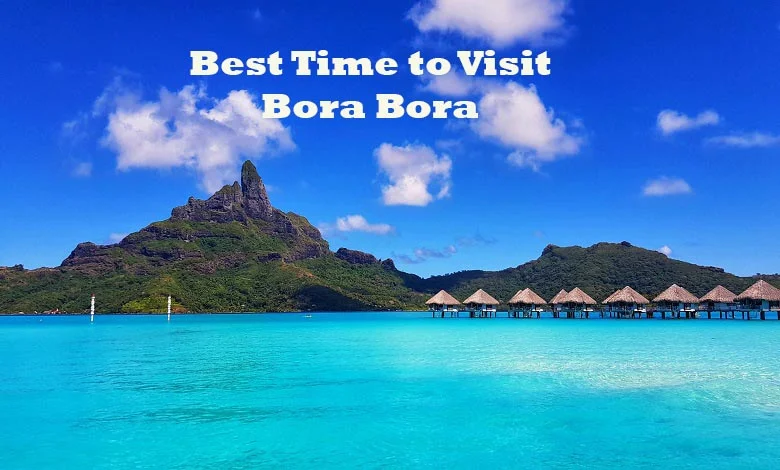
Bora Bora is one of the most beautiful tropical destinations in the world, famous for its turquoise lagoon, white-sand beaches, luxurious overwater bungalows, and breathtaking views of Mount Otemanu. Located in French Polynesia in the South Pacific Ocean, this island paradise attracts honeymooners, adventure seekers, and travellers looking for a relaxing tropical escape.
However, choosing the right travel dates can make a big difference to your experience. Weather conditions, rainfall, humidity, hotel prices, and tourist crowds change throughout the year. Some months are ideal for swimming, snorkeling, and outdoor adventures, while others offer better opportunities to find accommodation deals and enjoy a quieter atmosphere.
The best time to visit Bora Bora generally depends on what you want from your holiday. The dry season, from May to October, is usually the most popular period because of its relatively pleasant temperatures, lower rainfall, and comfortable conditions for outdoor activities. Meanwhile, November to April is warmer and more humid, with a greater chance of tropical rain showers.
This complete month-by-month travel guide explains Bora Bora’s seasons, weather conditions, activities, travel costs, and the best time to plan your tropical vacation.
Understanding Bora Bora’s Climate and Seasons
Before choosing your travel dates, it is helpful to understand the island’s tropical climate. Bora Bora experiences warm weather throughout the year, so visitors can enjoy its beaches and lagoon in almost every season.
The island has two main seasons: a dry season and a wet season.
Dry Season (May to October)
The dry season is generally considered the most comfortable period for visiting Bora Bora. During these months, rainfall is usually lower, humidity is more manageable, and sunny days are more common.
Average daytime temperatures are generally around 25°C to 29°C (77°F to 84°F). The pleasant conditions make it easier to enjoy outdoor activities without dealing with excessive heat or frequent heavy rainfall.
Popular activities during this season include:
- Snorkeling in the clear turquoise lagoon.
- Scuba diving and exploring underwater marine life.
- Boat tours around the island.
- Hiking and exploring scenic viewpoints.
- Relaxing on Matira Beach.
- Enjoying romantic sunset cruises.
June, July, August, and September are particularly popular with international visitors. However, accommodation prices may be higher, and luxury resorts can become busy during peak travel periods.
Wet Season (November to April)
The wet season brings warmer temperatures, higher humidity, and more frequent rainfall. Although these months are less predictable, they can still offer plenty of sunshine and beautiful beach days.
Temperatures generally range from 26°C to 31°C (79°F to 88°F). Rain showers can be intense but are often followed by clearer weather.
Travelling during this season may offer advantages such as:
- More opportunities to find accommodation promotions.
- Fewer international tourists in certain periods.
- Warm lagoon temperatures.
- Lush tropical landscapes.
- A quieter atmosphere at some resorts.
December, January, February, and March tend to be among the wetter months. Travellers should also be aware that tropical storms and cyclones are possible in the wider South Pacific during the cyclone season.
Best Time to Visit Bora Bora Month by Month
Every month offers a slightly different experience. Your ideal travel period will depend on your preferred weather, activities, budget, and tolerance for crowds.
January – Hot Weather and Tropical Rain Showers
January is one of the warmest and wettest months in Bora Bora. Temperatures often reach around 31°C (88°F), and humidity levels can be high. Rain showers are relatively frequent, although sunny periods still occur.
The island looks especially green during this time, making it attractive for photography and relaxing at tropical resorts.
Best activities:
- Enjoy spa treatments at luxury resorts.
- Take lagoon boat tours when weather permits.
- Explore local restaurants and island culture.
- Relax in warm tropical waters.
Travel tip: January can be a good option for travellers seeking quieter surroundings, but keep your itinerary flexible because of rainfall.
February – A Quieter Month for Budget Travellers
February is another warm and humid month, with frequent tropical showers. It is generally one of the quieter periods for international tourism, which may make it easier to find attractive hotel offers.
Although the weather is less predictable, you can still enjoy swimming, relaxing, and exploring the island between rain showers.
Best activities:
- Enjoy resort facilities and indoor spa experiences.
- Take short sightseeing trips during clear weather.
- Explore local markets and restaurants.
- Spend relaxing afternoons by the lagoon.
Travel tip: February is worth considering if accommodation costs are your main priority and you are comfortable with unpredictable weather.
March – Warm Temperatures and Greener Landscapes
March brings warm temperatures and gradually decreasing rainfall compared with January and February. However, humidity remains relatively high, and occasional heavy showers are still possible.
The island’s lush vegetation creates beautiful scenery, especially around Mount Otemanu. Visitors who enjoy photography and peaceful resort experiences may appreciate this time of year.
Best activities:
- Explore the island by boat.
- Enjoy snorkeling during suitable weather.
- Visit local villages.
- Relax in luxury beachfront accommodation.
Travel tip: March can provide better accommodation value than peak dry-season months, but check weather conditions before booking outdoor excursions.
April – A Good Shoulder-Season Choice
April is a transition month between the wet and dry seasons. Rainfall generally begins to decrease, while temperatures remain warm and comfortable.
It is an appealing option for visitors who want to enjoy tropical weather without travelling during the busiest months. The lagoon remains inviting, and outdoor activities become more convenient as conditions improve.
Best activities:
- Snorkeling and swimming.
- Lagoon sightseeing tours.
- Beach relaxation.
- Exploring scenic island viewpoints.
Travel tip: April is a good month to compare resort prices and weather conditions before choosing your travel dates.
May – The Beginning of the Dry Season
May is often considered one of the best months to visit Bora Bora. The dry season begins, humidity becomes more manageable, and rainfall generally decreases.
Daytime temperatures are usually around 29°C to 30°C (84°F to 86°F). Visitors can enjoy pleasant conditions for swimming, snorkeling, and exploring the island.
Best activities:
- Take a guided lagoon excursion.
- Explore Matira Beach.
- Enjoy kayaking and paddleboarding.
- Go scuba diving.
- Take sunset cruises.
Travel tip: May is an excellent shoulder-season choice for travellers looking for a balance between pleasant weather and fewer crowds than the peak holiday period.
June – Excellent Weather for Outdoor Adventures

June offers some of the most comfortable conditions of the year. Rainfall is generally lower, the air feels less humid, and sunny days are common.
This month is particularly suitable for outdoor enthusiasts who want to experience the island’s natural beauty. The lagoon provides excellent opportunities for water-based activities, while the surrounding landscapes are perfect for sightseeing.
Best activities:
- Snorkeling with tropical fish.
- Scuba diving.
- Hiking and guided island tours.
- Boat excursions around the lagoon.
- Romantic dinners overlooking the ocean.
Travel tip: June is a popular month, so book your preferred accommodation and excursions in advance.
July – Peak Tourist Season and Cultural Experiences
July is one of the most popular months to visit Bora Bora. The weather is generally dry, temperatures are pleasant, and the island welcomes many international travellers.
July is also associated with Heiva, an important cultural celebration in French Polynesia featuring traditional dancing, music, competitions, and cultural performances.
The combination of comfortable weather and cultural activities makes July especially attractive for visitors interested in more than just beaches.
Best activities:
- Experience traditional Polynesian celebrations.
- Enjoy snorkeling and diving.
- Take scenic boat tours.
- Relax on beautiful beaches.
- Explore local culture and cuisine.
Travel tip: July is a peak travel month, so expect higher accommodation prices and book several months ahead.
August – One of the Best Months for Sunshine
August is generally one of the driest months in Bora Bora. Comfortable temperatures, lower rainfall, and pleasant outdoor conditions make it an excellent choice for a tropical vacation.
It is also part of the humpback whale season in French Polynesia. Visitors may have opportunities to observe these magnificent marine animals through responsible, permitted whale-watching experiences.
Best activities:
- Whale-watching excursions.
- Scuba diving and snorkeling.
- Lagoon cruises.
- Kayaking and paddleboarding.
- Exploring the island’s beaches.
Travel tip: August is ideal for travellers who prioritise sunshine and outdoor activities. However, it is also a busy and potentially expensive month.
September – A Great Balance of Weather and Crowds
September is often one of the smartest months to plan a trip to Bora Bora. The weather remains relatively dry, temperatures are comfortable, and visitor numbers may begin to decrease after the busiest holiday period.
It is also an excellent month for marine wildlife experiences, particularly humpback whale watching.
For couples, honeymooners, and adventure lovers, September offers an appealing combination of comfortable weather and opportunities to explore the island.
Best activities:
- Whale watching.
- Snorkeling and scuba diving.
- Exploring Matira Beach.
- Taking romantic sunset cruises.
- Enjoying outdoor dining.
Travel tip: September is one of the strongest choices for visitors seeking good weather without the busiest peak-season atmosphere.
October – Pleasant Weather Before the Wet Season
October is another excellent month for visiting Bora Bora. Temperatures begin to rise slightly, while rainfall gradually increases toward the end of the month.
However, much of the month can still offer pleasant conditions for outdoor activities. The island is also approaching the end of its main humpback whale-watching season.
Best activities:
- Enjoy lagoon excursions.
- Explore tropical beaches.
- Go snorkeling and diving.
- Experience local island culture.
- Take scenic boat trips.
Travel tip: October is worth considering if you want to enjoy relatively favourable weather while avoiding some of the busiest summer travel dates.
Read Also: Best Beaches in San Juan Puerto Rico: A Complete Traveler’s Guide
November – The Beginning of the Wetter Season
November marks the transition into Bora Bora’s warmer and wetter season. Humidity begins to increase, and tropical showers become more common.
However, the month can still offer enjoyable weather, particularly during periods of sunshine. It may also provide opportunities to find better accommodation rates than during the busiest dry-season months.
Best activities:
- Explore the island’s natural scenery.
- Enjoy resort swimming pools.
- Take lagoon tours when conditions allow.
- Experience Polynesian food and culture.
Travel tip: November can be a reasonable shoulder-season option, but travel insurance and flexible activity bookings are recommended.
December – Tropical Holiday Atmosphere
December is warm, humid, and generally one of the wettest months in Bora Bora. Tropical showers are frequent, and the island experiences a greater risk of tropical storms during the wider South Pacific cyclone season.
Despite the weather, December attracts visitors looking to celebrate Christmas and New Year in a tropical setting.
Luxury resorts often organise festive dinners, special events, and holiday activities.
Best activities:
- Enjoy resort celebrations.
- Relax at luxury spas.
- Explore local restaurants.
- Take lagoon excursions during suitable weather.
- Celebrate the holidays beside the ocean.
Travel tip: If you plan to visit during Christmas or New Year, reserve accommodation early. Keep your travel schedule flexible because of the possibility of heavy rain and weather-related disruptions.
Bora Bora Weather by Month: Quick Comparison
The following table provides a general overview of monthly conditions to help you choose your travel dates.
| Month | Weather | Rainfall | Travel Suitability |
| January | Hot and humid | High | Moderate |
| February | Hot and humid | High | Moderate |
| March | Warm and humid | Moderate–High | Good |
| April | Warm, improving | Moderate | Very good |
| May | Warm and pleasant | Decreasing | Excellent |
| June | Pleasant and dry | Low | Excellent |
| July | Sunny and comfortable | Very low | Excellent |
| August | Sunny and dry | Very low | Excellent |
| September | Warm and dry | Very low | Excellent |
| October | Warm and pleasant | Increasing | Excellent |
| November | Hot and humid | Moderate | Good |
| December | Hot and rainy | High | Moderate |
These descriptions are general seasonal guidance. Individual days can differ considerably.
Best Time to Visit Bora Bora for Different Travel Experiences
Not every traveller has the same priorities. Some people want sunny beaches, while others prefer affordable accommodation, romantic experiences, or exciting marine adventures.
Here is how to choose the right travel period based on your interests.
1. Best Time for a Honeymoon
Bora Bora is famous for romantic holidays and honeymoon experiences. May, June, September, and October are particularly attractive months for couples because they generally offer pleasant weather and opportunities for outdoor activities.
Couples can enjoy private lagoon cruises, beachfront dinners, luxury overwater bungalows, and beautiful sunset views.
2. Best Time for Snorkeling and Scuba Diving
May through October is generally a great period for snorkeling and scuba diving. Relatively dry weather and favourable conditions can make it easier to arrange underwater excursions.
Popular experiences include exploring coral gardens, swimming among tropical fish, and observing rays and reef sharks with experienced guides.
However, visibility and water conditions can change depending on wind, currents, and local weather.
3. Best Time for Whale Watching

Humpback whales migrate through French Polynesian waters during the southern hemisphere winter and spring. July to October is generally a promising period for whale-watching experiences around the islands.
September and October are particularly interesting months for visitors hoping to observe these impressive marine animals.
Always choose responsible, authorised operators and follow local wildlife regulations.
4. Best Time for Budget Travellers
If you want to experience Bora Bora without spending as much on accommodation, consider travelling during the wet season, particularly February and March.
Hotels and resorts may offer lower rates during quieter periods. However, weather conditions are less predictable, and some outdoor excursions may be affected by rain.
April and November are also worth comparing because they can offer a balance between seasonal conditions and accommodation prices.
5. Best Time for Photography
For landscape photography, June through September is an excellent period to consider. The relatively dry weather can provide beautiful lighting, clear mountain views, and stunning lagoon scenery.
Early mornings and late afternoons are especially attractive for capturing the island’s natural beauty.
Read Also: Things to Do in Maui Hawaii: A Guide to the Island’s Most Beautiful Places
Top Things to Do in Bora Bora Throughout the Year
Regardless of when you visit, Bora Bora offers plenty of activities for different types of travellers. Some experiences are weather-dependent, but the island has attractions to enjoy in every season.
1. Relax at Matira Beach
Visit one of Bora Bora’s most famous beaches, known for its white sand, shallow turquoise water, and beautiful sunsets.
2. Explore the Coral Gardens
Discover colourful marine life and underwater scenery while snorkeling in suitable lagoon locations.
3. Discover Mount Otemanu
Enjoy scenic views of Bora Bora’s iconic volcanic mountain through guided sightseeing and approved excursions.
4. Take a Lagoon Boat Tour
Explore the beautiful lagoon, enjoy island scenery, and learn about local marine life.
5. Stay in an Overwater Bungalow
Experience one of Bora Bora’s signature attractions by staying in accommodation built above the crystal-clear lagoon.
6. Experience Polynesian Culture
Enjoy traditional performances, local cuisine, music, and cultural experiences that introduce you to the island’s heritage.
What to Pack for a Bora Bora Vacation
Packing the right items can make your holiday more comfortable, especially if you plan to spend plenty of time outdoors.
Here are some useful essentials:
- Lightweight clothing: Pack breathable shirts, shorts, dresses, and swimwear.
- Sun protection: Bring sunscreen, sunglasses, and a wide-brimmed hat.
- Water shoes: Useful for rocky or coral areas.
- Snorkeling equipment: You can bring your own mask and snorkel or rent equipment locally.
- Rain jacket: Helpful during the wetter months.
- Comfortable footwear: Important for sightseeing and exploring the island.
- Waterproof bag: Protect your phone, camera, and other valuables during boat trips.
- Insect repellent: Useful when exploring tropical outdoor environments.
If you are travelling during the wet season, pack a few extra lightweight outfits and consider bringing a compact umbrella.
Tips for Planning Your Bora Bora Vacation
A successful trip requires more than choosing the right month. Accommodation, transportation, weather conditions, and activity reservations can all influence your experience.
Consider these practical travel tips before booking:
Book accommodation early: Popular luxury resorts and overwater bungalows can fill quickly during June, July, and August.
Compare different seasons: Do not automatically choose peak season. Shoulder-season months such as May, September, and October can offer an appealing balance of weather and visitor numbers.
Check flight connections: Bora Bora is generally reached through Tahiti, followed by a domestic flight to Bora Bora Airport. Plan your connecting flights carefully.
Keep your itinerary flexible: Weather conditions can affect boat tours, diving excursions, and other outdoor experiences.
Consider travel insurance: Choose a suitable policy that covers relevant weather-related travel disruptions and medical emergencies.
Respect the marine environment: Follow local guidance when swimming, snorkeling, diving, or observing wildlife.
Research local transportation: Water taxis, boat transfers, rental vehicles, and bicycles are among the options visitors may encounter, depending on where they stay.
Final Thoughts: When Should You Visit Bora Bora?
Choosing the best time to visit Bora Bora depends on your travel preferences, budget, and the experiences you want to enjoy. The island offers beautiful scenery and warm tropical weather throughout the year, but seasonal differences can influence your holiday.
May to October is generally the best period for pleasant weather, outdoor adventures, snorkeling, and beach activities. July and August are excellent for sunshine but can be expensive and busy. September and October are particularly appealing for travellers looking for comfortable weather and fewer crowds.
On the other hand, November to April can be suitable for flexible travellers who want to explore Bora Bora during quieter periods and potentially save money on accommodation.
Ultimately, Bora Bora is a beautiful destination in every season. Plan your trip around your priorities, check the local weather forecast, and prepare to enjoy an unforgettable island experience.
Frequently Asked Questions (FAQs)
What is the best time to visit Bora Bora?
May to October is generally the best time to visit Bora Bora because this period offers lower rainfall, comfortable temperatures, and relatively pleasant conditions for outdoor activities. September is particularly attractive for travellers seeking a balance between weather and crowds.
What is the cheapest month to visit Bora Bora?
February and March can offer lower accommodation prices because they fall within the wetter, quieter season. However, travellers should consider the possibility of heavy rainfall and weather disruptions.
What is the rainiest month in Bora Bora?
December and January are generally among the wettest months. These months experience higher humidity and frequent tropical showers, although sunny periods are still possible.
Is Bora Bora worth visiting during the rainy season?
Yes, Bora Bora can still be worth visiting during the rainy season. Visitors can enjoy warm lagoon water, beautiful tropical landscapes, and potentially lower accommodation prices, but should allow flexibility in their travel plans.
How many days are enough to explore Bora Bora?
Four to seven days is a reasonable amount of time for most visitors. This allows enough time to enjoy the beaches, explore the lagoon, experience local culture, and relax at a resort without rushing.


